

Understanding our shared history is one of Evolve’s Seven Steps to Reconciliation and Allyship™, our tried-and-tested framework for building confidence to show up for and support Aboriginal and Torres Strait Islander people and communities.
In our 2026 Calendar, you’ll find dates that document the 200+ year fight for the rights of First Nations people in Australia, providing important opportunities to acknowledge the trials and celebrate the resilience of the world’s oldest surviving culture.
In order to keep moving forward toward Reconciliation, we need more truth telling about our shared history. We’ve added more significant dates to our calendar to acknowledge the self-determination and empowerment of our First Nations peoples.
This year we’ve partnered again with Aboriginal artist, Saretta Fielding to create a calendar that is not only educational but also a beautiful addition to any home or workplace. These calendars are stunning and meaningful gifts for yourself and your colleagues, friends and family.
You can purchase the limited edition wall calendar, and original artworks, from saretta.com.au
By submitting your details, you agree to receive occasional, educational emails (you can opt out at anytime).
Purchase The Limited Edition 2026 Wall Calendar
All proceeds from the sale of our wall calendars will be donated to Malang Indigenous Corporation, a not-for-profit established by Saretta Art & Design to create opportunities towards sustainable economic and social inclusion for Aboriginal people.
Frequently Asked Questions About Indigenous Seasons, Dates & Calendars
January
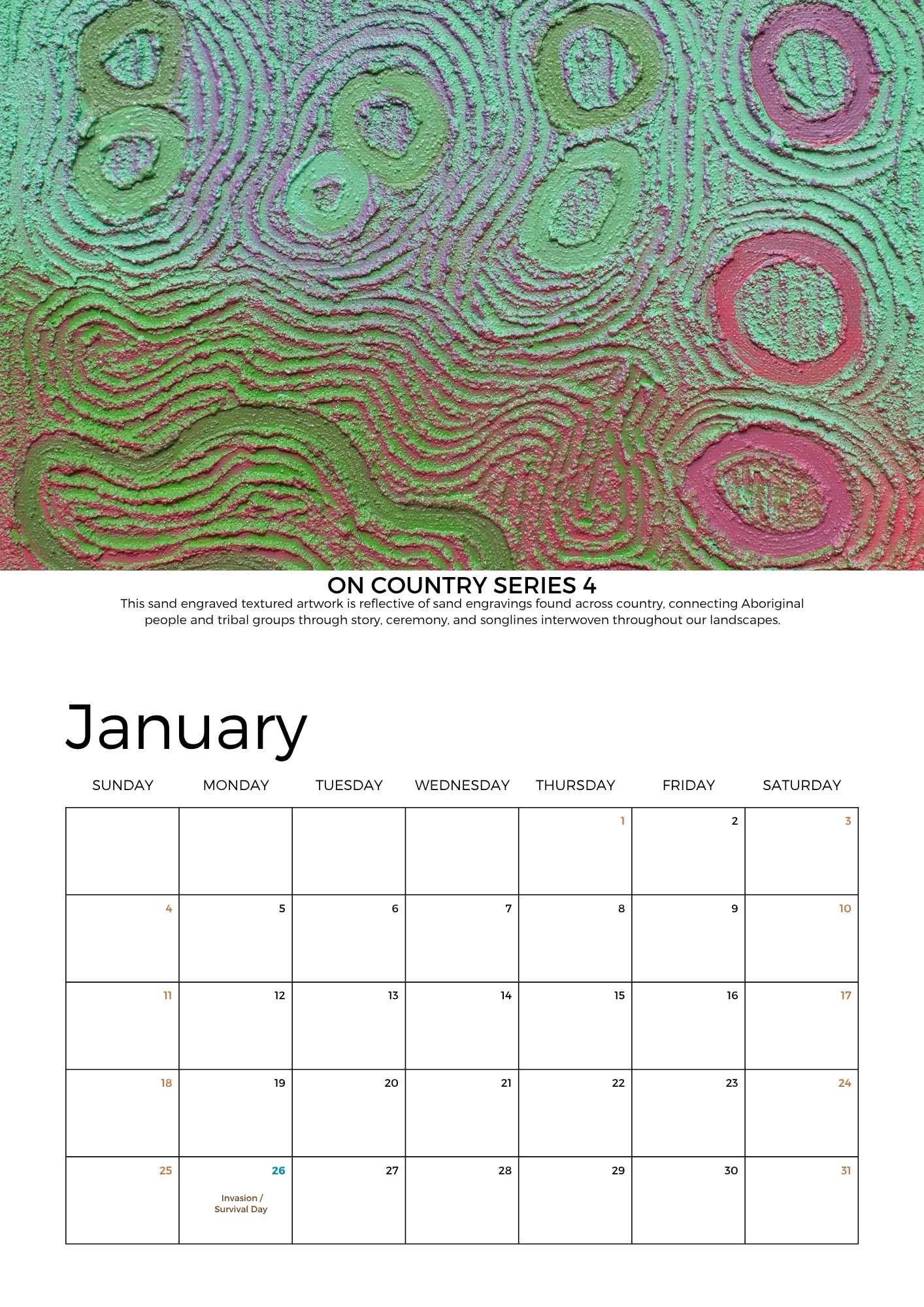
26 January – Invasion Day / Survival Day
While Australians are encouraged to celebrate Australia Day as the day Australia was founded, Aboriginal and Torres Strait Islander peoples mourn the impacts of colonisation. This day marks the beginning of ongoing resistance and survival for First Nations peoples.
February
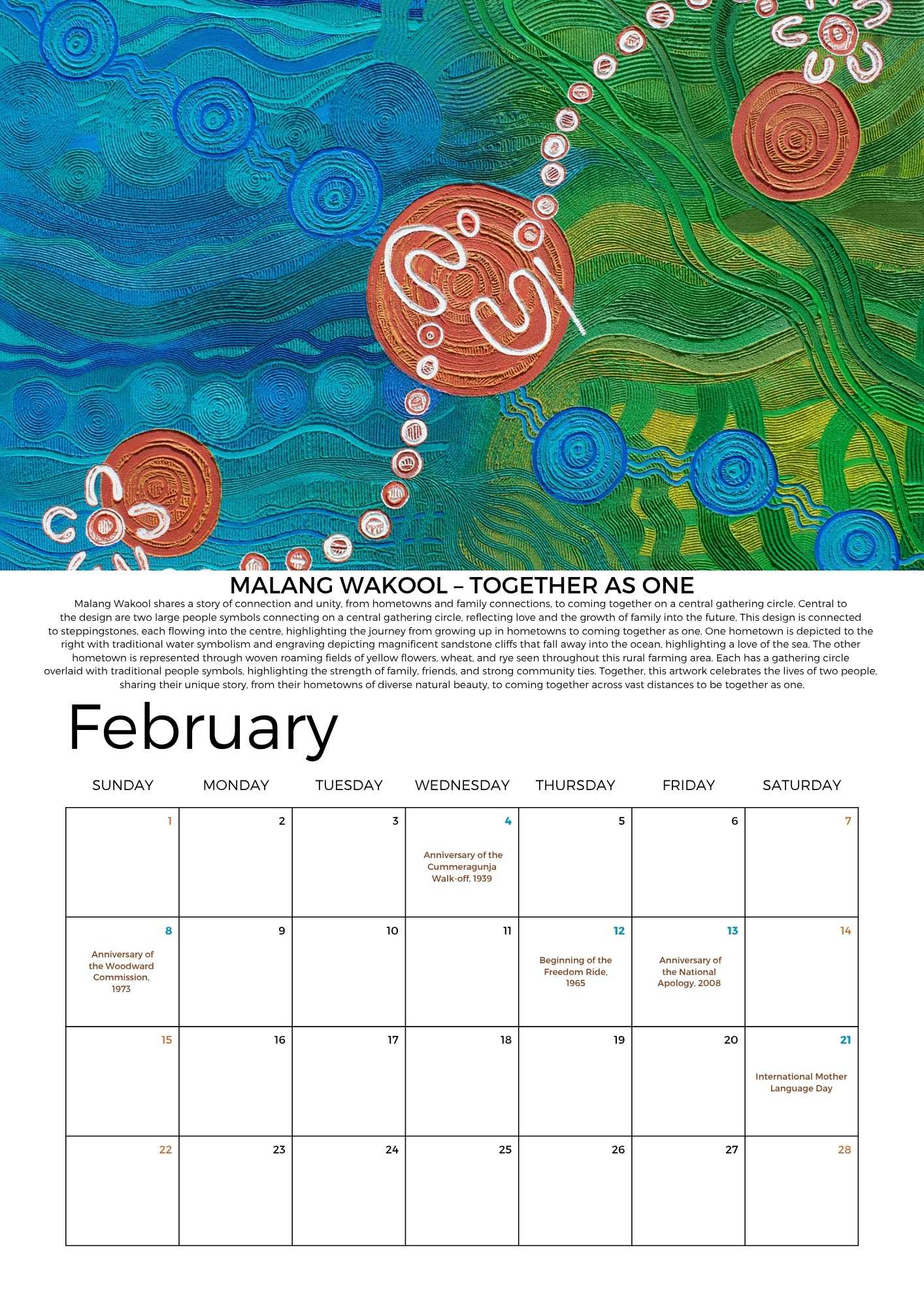
4 February – Anniversary of the Cummeragunja Walk-Off, 1939
Over 150 Aboriginal residents of the Cummeragunja Mission in New South Wales walked off in protest against oppressive management and poor living conditions. This was one of the first collective actions of Aboriginal resistance and land rights activism.
8 February – Anniversary of the Woodward Commission, 1973
The Woodward Commission (Commission of Inquiry into Aboriginal Land Rights in the Northern Territory) was crucial in recognising Aboriginal land rights. Its recommendations led to the landmark Aboriginal Land Rights (Northern Territory) Act 1976.
12 February – Beginning of the Freedom Ride, 1965
Led by Charles Perkins, University of Sydney students travelled through regional NSW to protest racial discrimination and poor living conditions. The Freedom Ride drew national attention to segregation and influenced the 1967 Referendum.
13 February – Anniversary of the National Apology, 2008
Prime Minister Kevin Rudd delivered a formal apology to Australia’s Indigenous peoples, particularly to the Stolen Generations, acknowledging the profound suffering caused by forced child removal and assimilation policies.
21 February – International Mother Language Day
A UNESCO day that celebrates linguistic and cultural diversity, reminding us of the importance of preserving and revitalising Aboriginal and Torres Strait Islander languages.
March
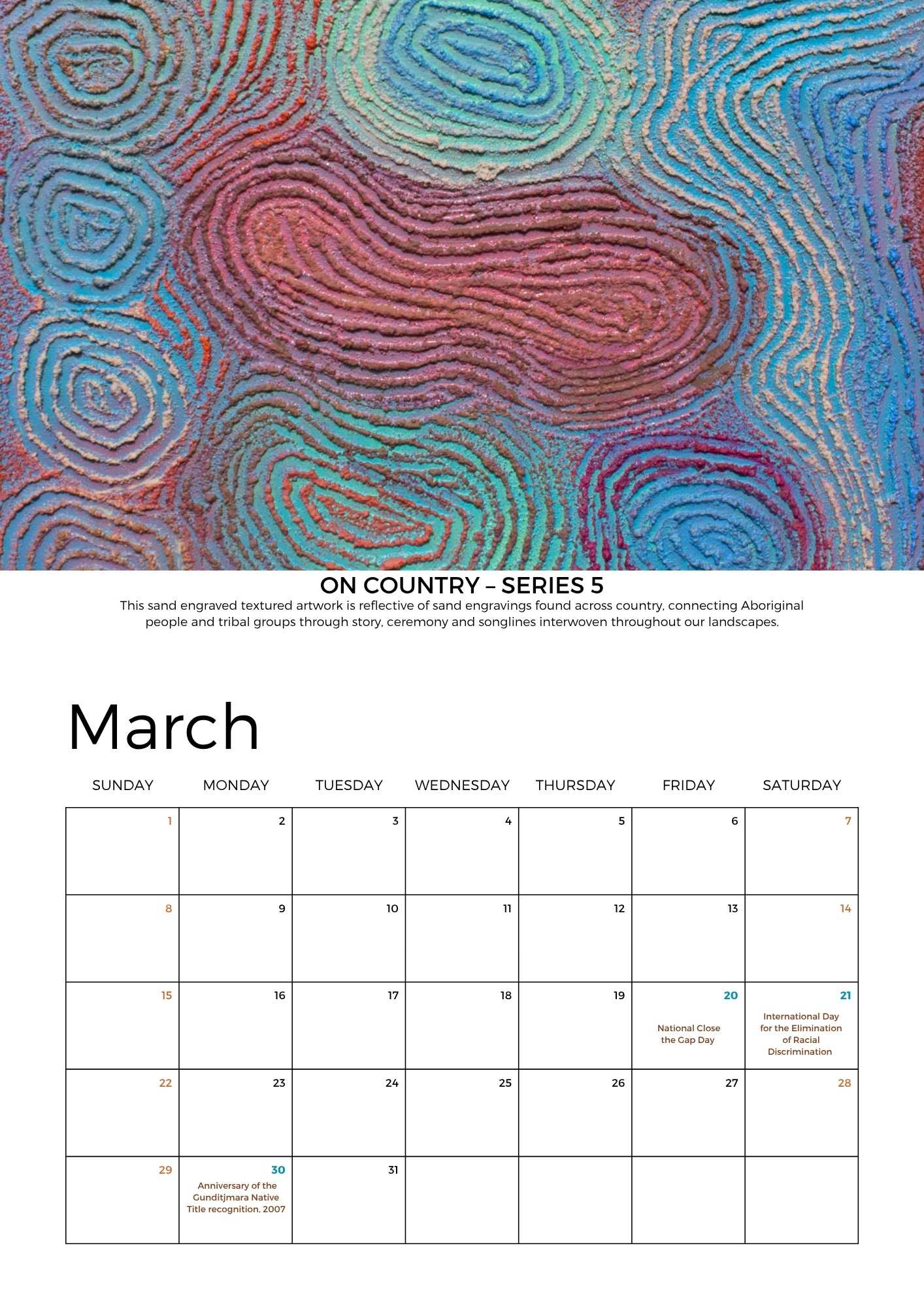
20 March – National Close the Gap Day
A day for all Australians to commit to achieving health equality for Aboriginal and Torres Strait Islander people within a generation.
21 March – International Day for the Elimination of Racial Discrimination
Observed globally, this day commemorates the Sharpeville Massacre (1960) and reminds nations to take action against all forms of racial discrimination.
30 March – Anniversary of the Gunditjmara Native Title Recognition, 2007
The Federal Court recognised the Gunditjmara people’s native title rights over 140,000 hectares in southwest Victoria—acknowledging one of the oldest living aquaculture systems in the world.
April
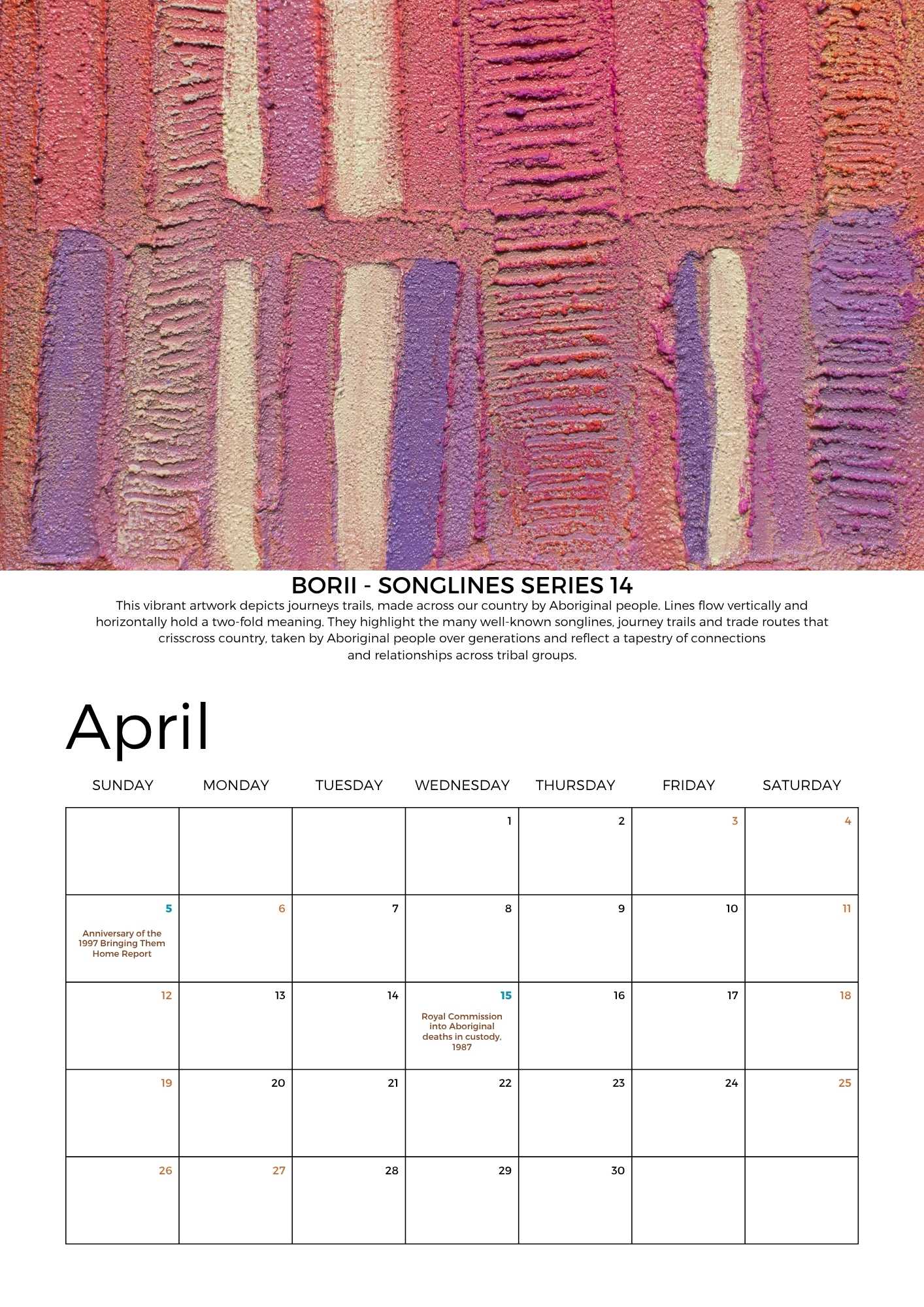
5 April – Anniversary of the Bringing Them Home Report, 1997
This report documented the devastating impact of government policies that separated Aboriginal and Torres Strait Islander children from their families. It became a catalyst for the National Apology and ongoing healing movements.
15 April – Royal Commission into Aboriginal Deaths in Custody, 1987
The Commission investigated the high number of Aboriginal deaths in custody between 1980–1989. Its 1991 report made 339 recommendations addressing systemic racism and justice reform—many of which remain unimplemented.
May
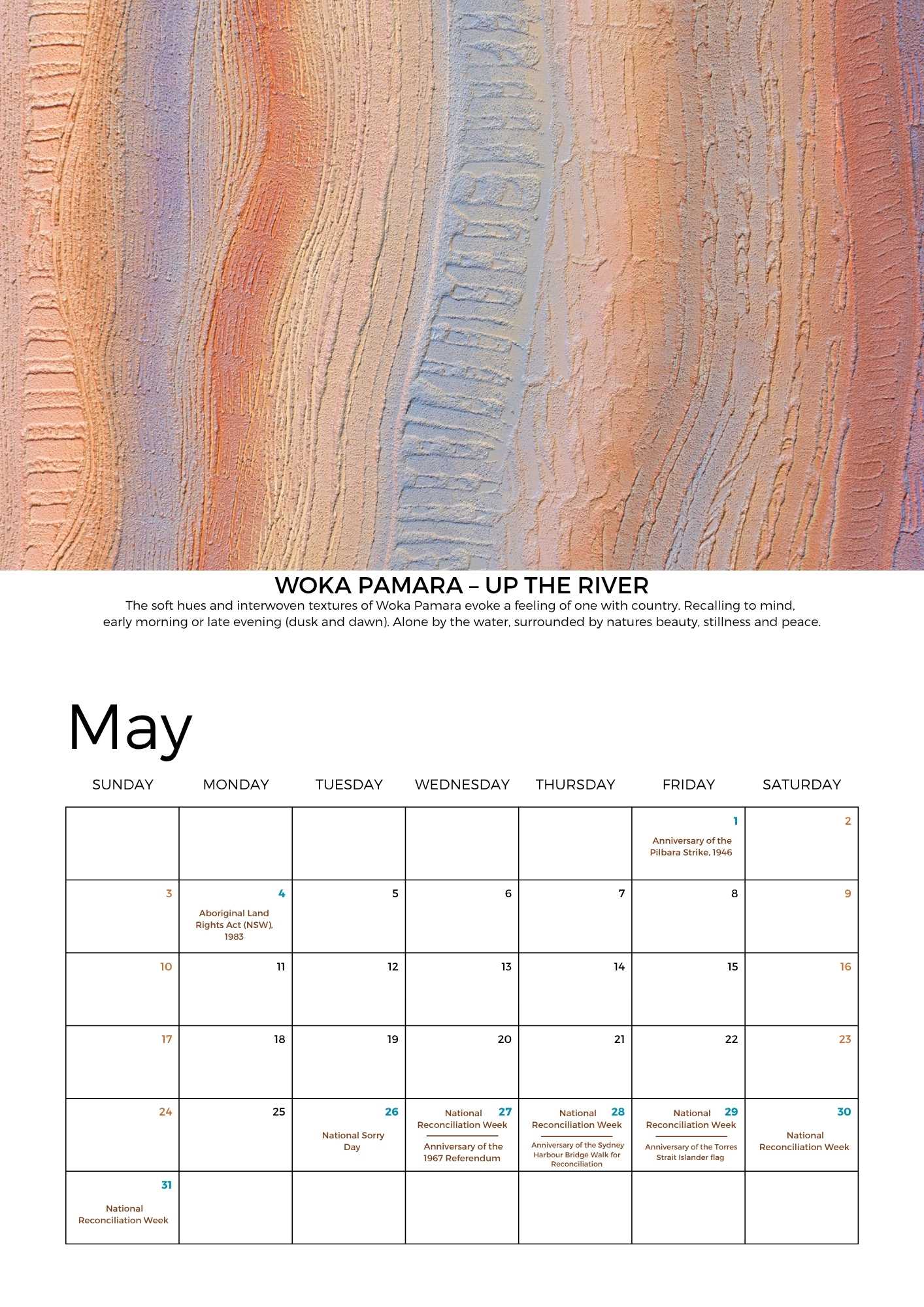
1 May – Anniversary of the Pilbara Strike, 1946
Approximately 800 Aboriginal pastoral workers walked off stations in Western Australia, demanding fair pay and working conditions. The three-year strike became a cornerstone of the Aboriginal land rights movement.
4 May – Aboriginal Land Rights Act (NSW), 1983
This Act allowed Aboriginal peoples to claim certain Crown lands and established Aboriginal Land Councils to manage and protect these lands for future generations.
26 May – National Sorry Day
A day to acknowledge and remember the Stolen Generations and reflect on the healing and reconciliation still needed across Australia.
27 May – Anniversary of the 1967 Referendum
Over 90% of Australians voted to amend the Constitution, empowering the Commonwealth to make laws for Aboriginal and Torres Strait Islander peoples and to include them in the national census.
27 May – 3 June – National Reconciliation Week
A time for Australians to learn about shared history, culture, and achievements, and to explore ways to contribute to reconciliation.
28 May – Anniversary of the Sydney Harbour Bridge Walk for Reconciliation, 2000
A landmark event where more than 250,000 Australians walked across the Sydney Harbour Bridge to show support for Reconciliation, inspiring similar walks nationwide.
29 May – Anniversary of the Torres Strait Islander Flag
Each year during Reconciliation Week, we honour Bernard Namok Snr, the designer of the Torres Strait Islander Flag—an enduring symbol of unity and identity for Torres Strait Islander peoples.
June
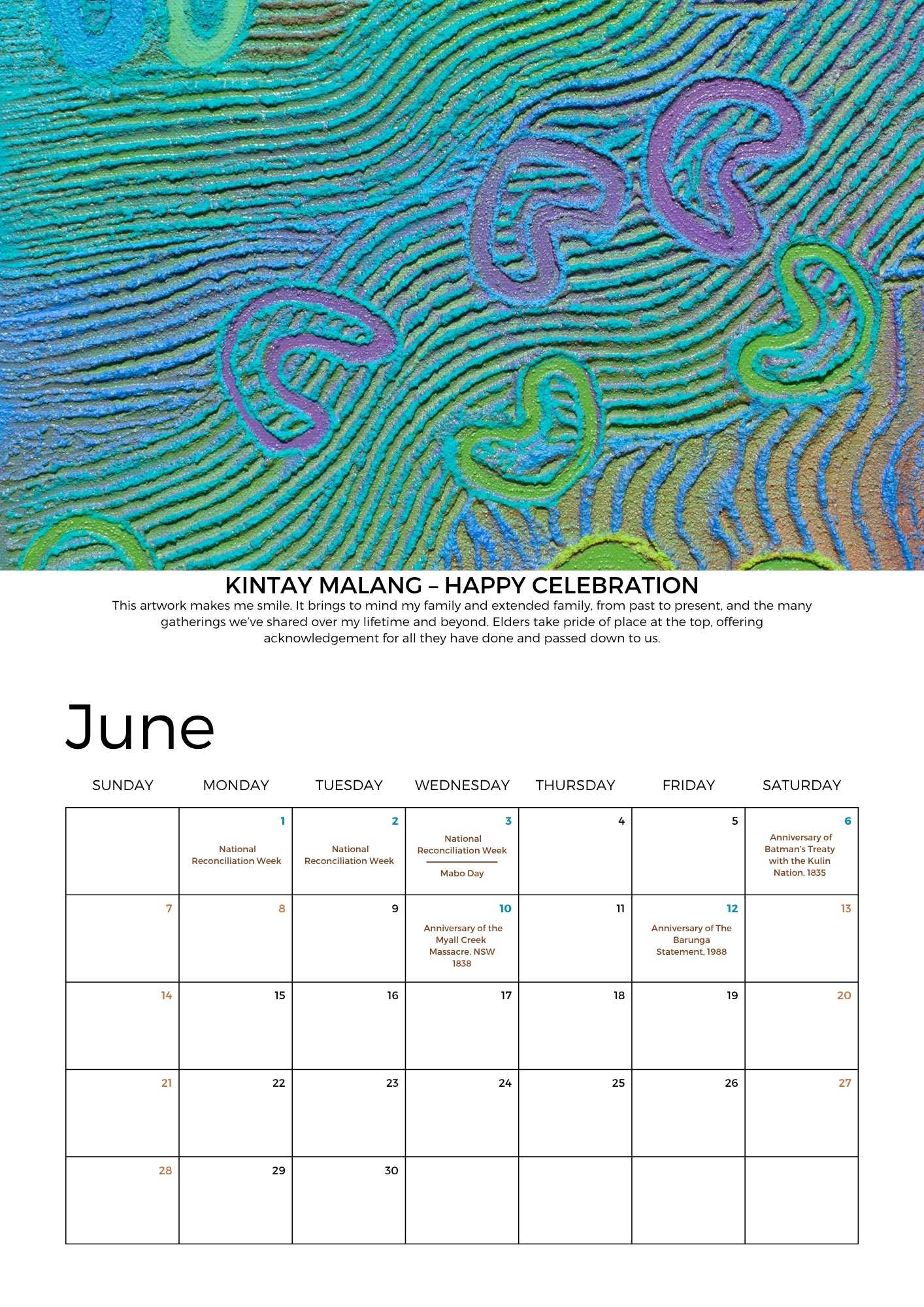
3 June – Mabo Day
Commemorates the 1992 High Court decision recognising the land rights of the Meriam people of the Torres Strait, led by Eddie Koiki Mabo. The judgment overturned terra nullius and paved the way for the Native Title Act.
6 June – Anniversary of Batman’s Treaty with the Kulin Nation, 1835
John Batman claimed to have purchased land around Melbourne from the Wurundjeri people, though the colonial government later invalidated the “treaty”. It remains a symbol of contested histories and recognition.
10 June – Myall Creek Massacre, 1838
At least 28 Wirrayaraay people were brutally killed by settlers near Inverell, NSW. It is remembered as one of the few times in colonial history that perpetrators were tried and executed for murdering Aboriginal people.
12 June – Anniversary of the Barunga Statement, 1988
Presented to Prime Minister Bob Hawke at the Barunga Festival in the NT, this statement called for a national treaty and recognition of Aboriginal rights, laying groundwork for ongoing treaty discussions.
July
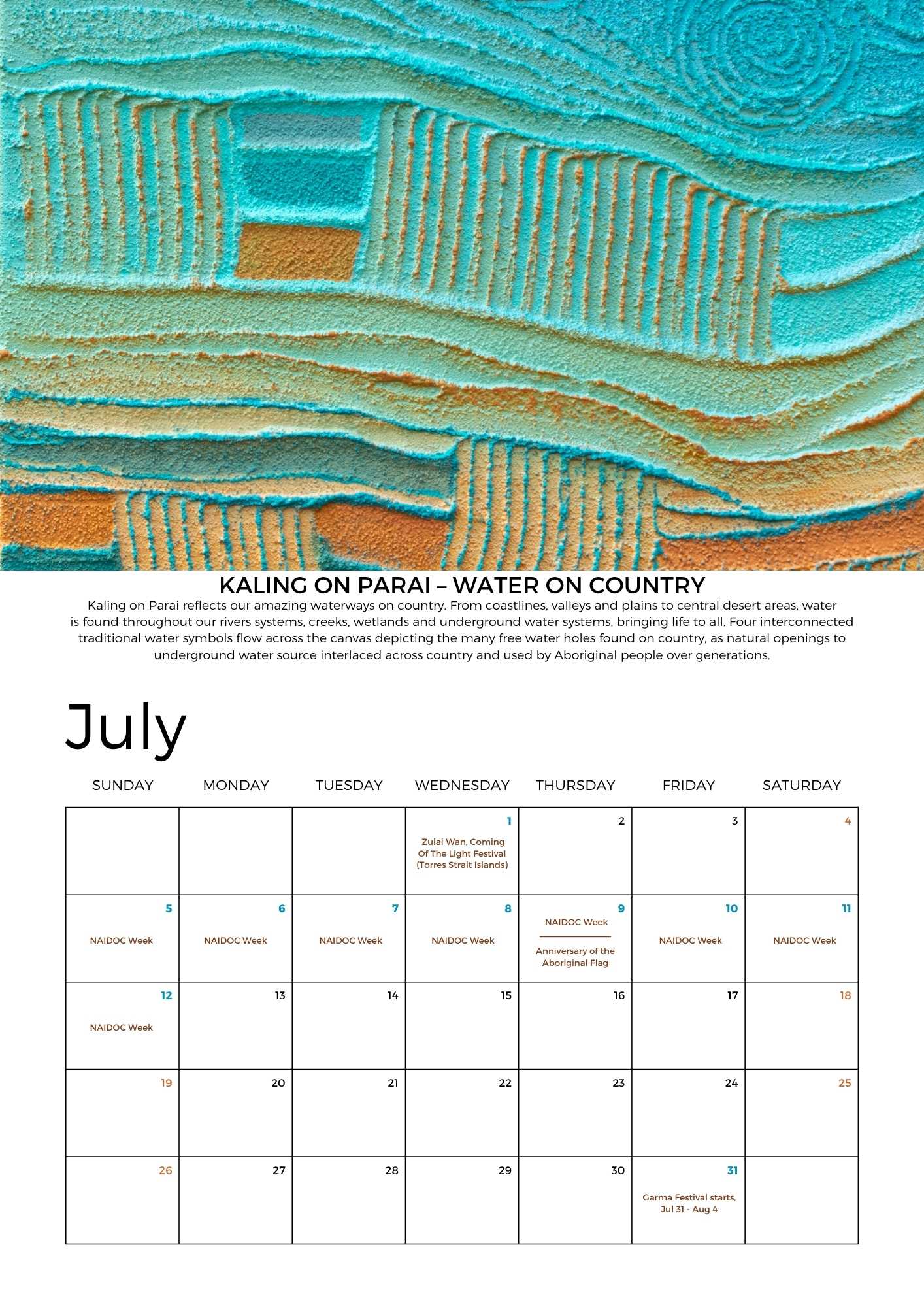
1 July – Zulai Wan / Coming of the Light (Torres Strait Islands)
Celebrates the arrival of Christianity in the Torres Strait in 1871, marking a time of cultural blending and community unity.
6–12 July – NAIDOC Week
An annual celebration of Aboriginal and Torres Strait Islander history, culture, and achievements. Each year has a new theme honouring strength, survival, and sovereignty.
9 July – Anniversary of the Aboriginal Flag, 1971
The flag was first flown at a land rights rally in Adelaide by designer Harold Thomas. The black, red, and yellow remain enduring symbols of identity, resilience, and connection to Country.
31 July – 4 August – Garma Festival
Held annually in northeast Arnhem Land, the Garma Festival is Australia’s largest Indigenous cultural gathering, promoting Yolŋu culture, knowledge, and cross-cultural dialogue.
August
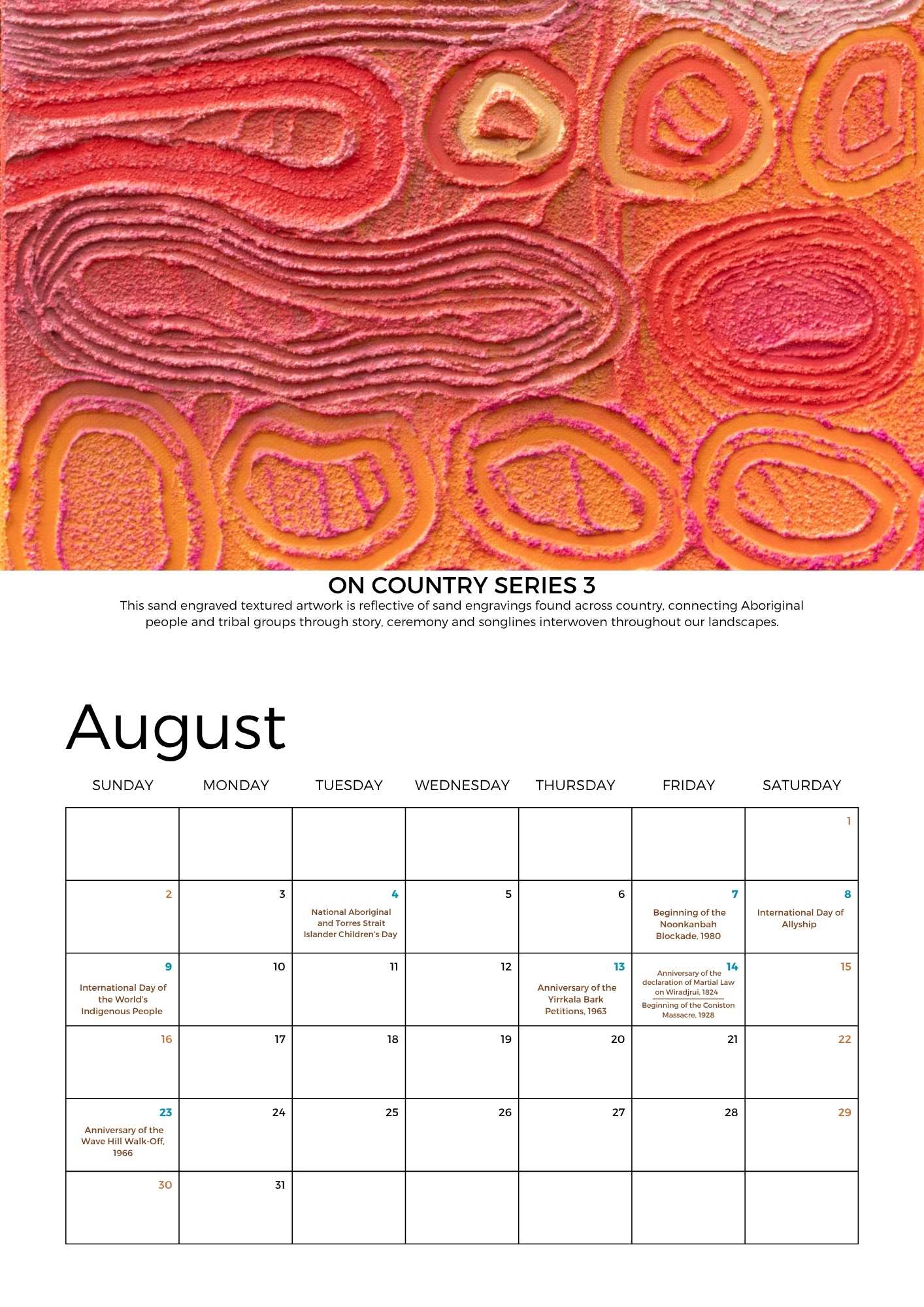
4 August – National Aboriginal and Torres Strait Islander Children’s Day
A celebration of the strengths, identity, and culture of Aboriginal and Torres Strait Islander children, reinforcing the importance of community, family, and belonging.
7 August – Beginning of the Noonkanbah Blockade, 1980
A pivotal land rights conflict where the Yungngora people of the Kimberley region blocked oil drilling on sacred land, sparking national attention and the formation of the Kimberley Land Council.
8 August – International Day of Allyship
A global day to celebrate active allyship—standing up for equality, respect, and inclusion across all communities.
9 August – International Day of the World’s Indigenous Peoples
Established by the UN to promote and protect Indigenous rights worldwide, recognising Indigenous contributions to environmental and cultural sustainability.
13 August – Anniversary of the Yirrkala Bark Petitions, 1963
The Yolŋu people presented bark petitions to the Australian Parliament, asserting land rights and cultural connection to their country—marking the first formal recognition of Indigenous law and land ownership.
14 August – Beginning of the Coniston Massacre, 1928
Over several months, police and settlers killed dozens of Warlpiri, Anmatyerre, and Kaytetye people in Central Australia. It is regarded as the last officially sanctioned massacre of Indigenous Australians.
14 August – Anniversary of the Declaration of Martial Law on Wiradjuri, 1824
Governor Thomas Brisbane declared martial law around Bathurst, NSW, following Wiradjuri resistance to colonisation—highlighting early organised Aboriginal resistance to dispossession.
23 August – Anniversary of the Wave Hill Walk-Off, 1966
Led by Gurindji man Vincent Lingiari, Aboriginal stockmen and families left Wave Hill Station, beginning a nine-year struggle that led to the first successful land handback in 1975 and inspired the land rights movement.
September
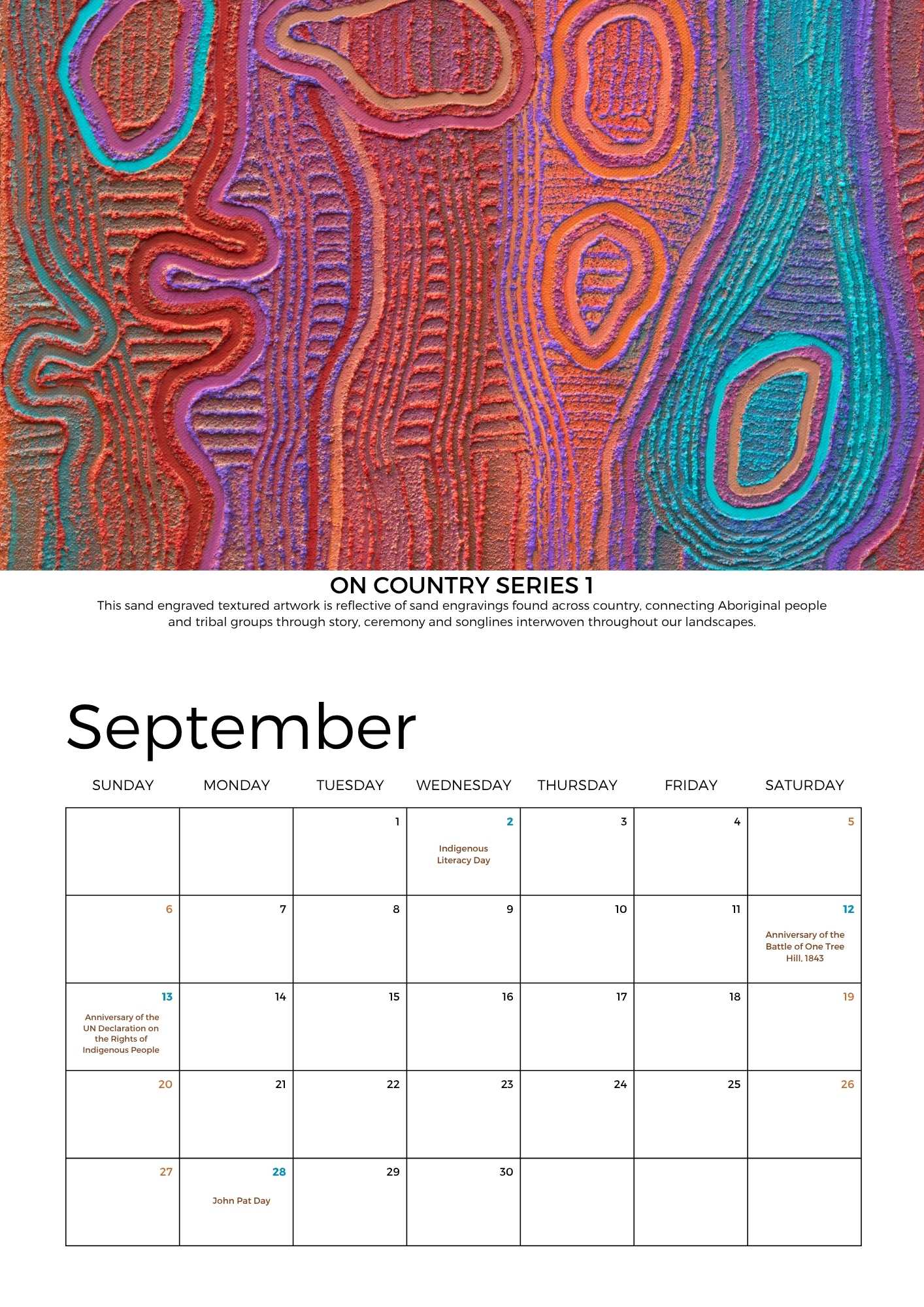
2 September – Indigenous Literacy Day
Celebrated on the first Wednesday in September, this day raises funds to provide culturally relevant books and literacy resources to remote Indigenous communities.
12 September – Anniversary of the Battle of One Tree Hill, 1843
Warrior Multuggerah led Jagera men to victory over settlers in the Darling Downs. This rare successful resistance is a proud moment in Aboriginal military history.
13 September – Anniversary of the UN Declaration on the Rights of Indigenous Peoples, 2007
Adopted by the UN General Assembly, the Declaration affirms the rights of Indigenous peoples worldwide to self-determination, culture, and traditional lands.
28 September – John Pat Day
Commemorates the death of 16-year-old Yindjibarndi boy John Pat, who died in police custody in 1983. His death became a catalyst for the Royal Commission into Aboriginal Deaths in Custody.
October
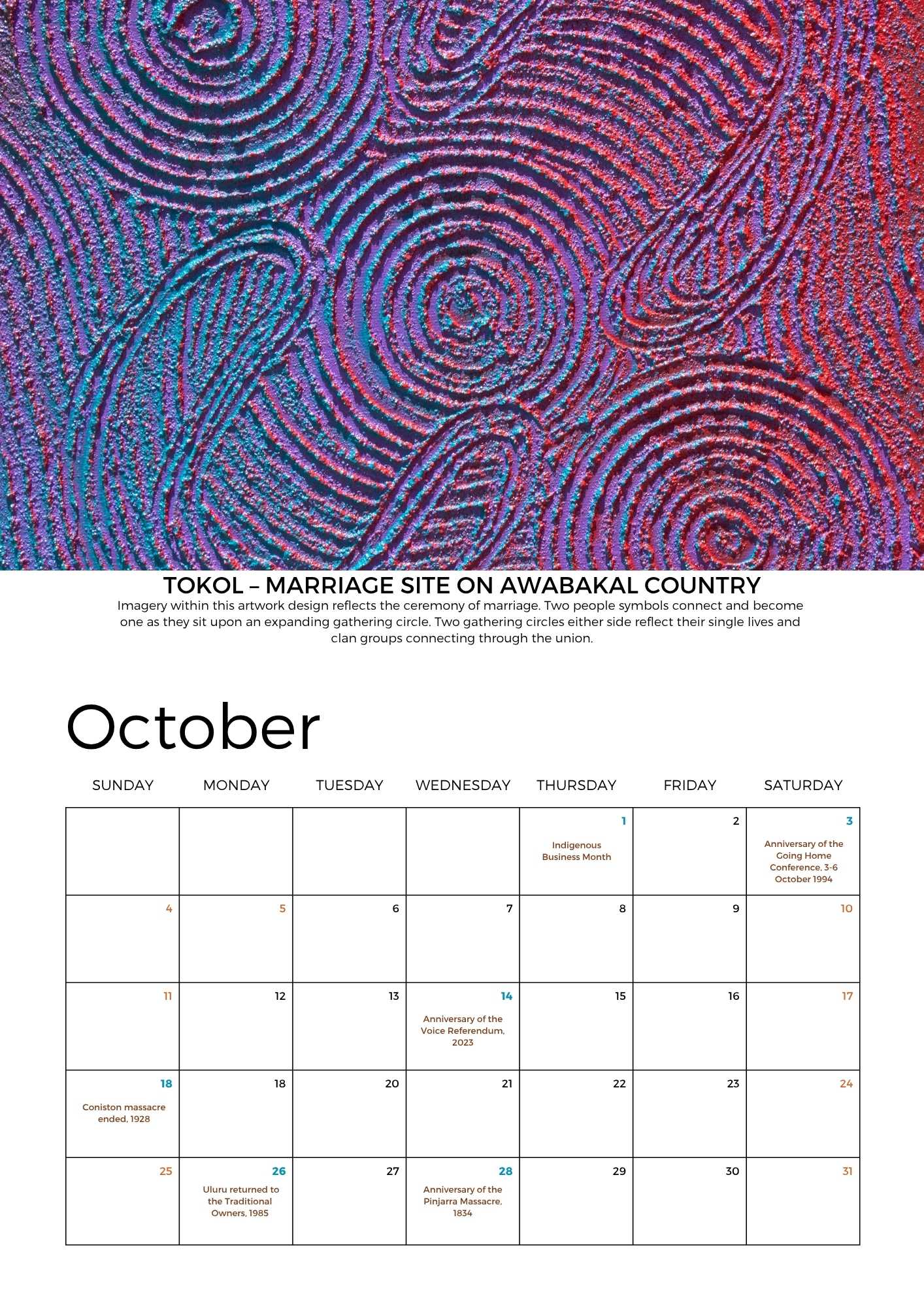
October – Indigenous Business Month
An initiative highlighting the achievements of Aboriginal and Torres Strait Islander entrepreneurs and promoting economic empowerment through Indigenous enterprise.
3 October – Anniversary of the Going Home Conference, 1994
Held in Darwin, this gathering brought together more than 600 members of the Stolen Generations to share stories and advocate for truth-telling and healing.
26 October – Anniversary of Uluru Returned to Traditional Owners, 1985
On this day, the Australian Government handed back freehold title of Uluru to the Anangu people—an iconic moment for land rights and reconciliation. Climbing the rock was officially closed in 2019.
28 October – Anniversary of the Pinjarra Massacre, 1834
At least 15 Binjareb people were killed by police and settlers in Pinjarra, WA. The massacre remains one of the darkest chapters in Western Australian history.
November
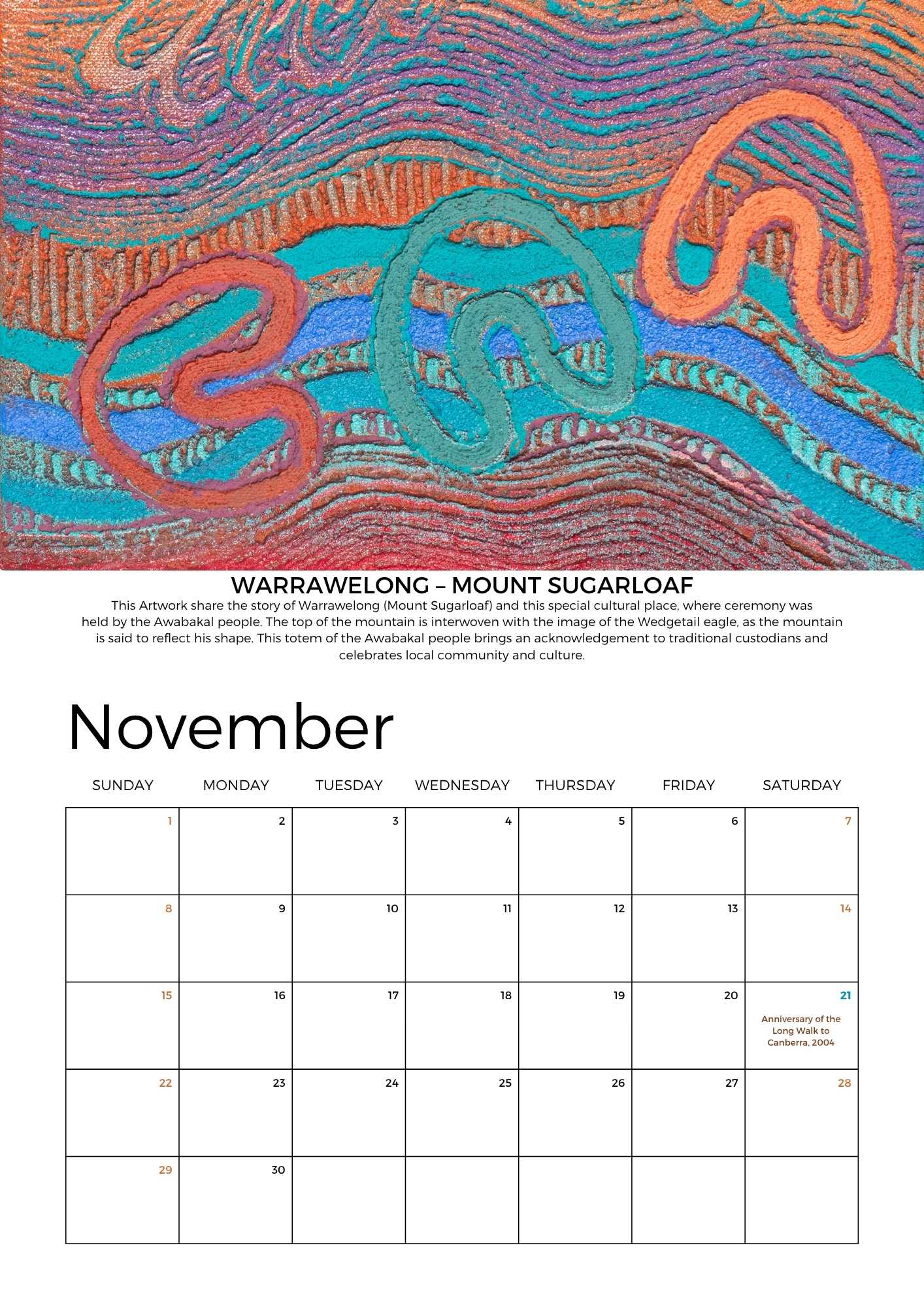
21 November – Anniversary of the Long Walk to Canberra, 2004
Inspired by AFL player Michael Long, the 650 km walk from Melbourne to Canberra called for national attention to Indigenous disadvantage and reconciliation. It led to the creation of The Long Walk Foundation.
December
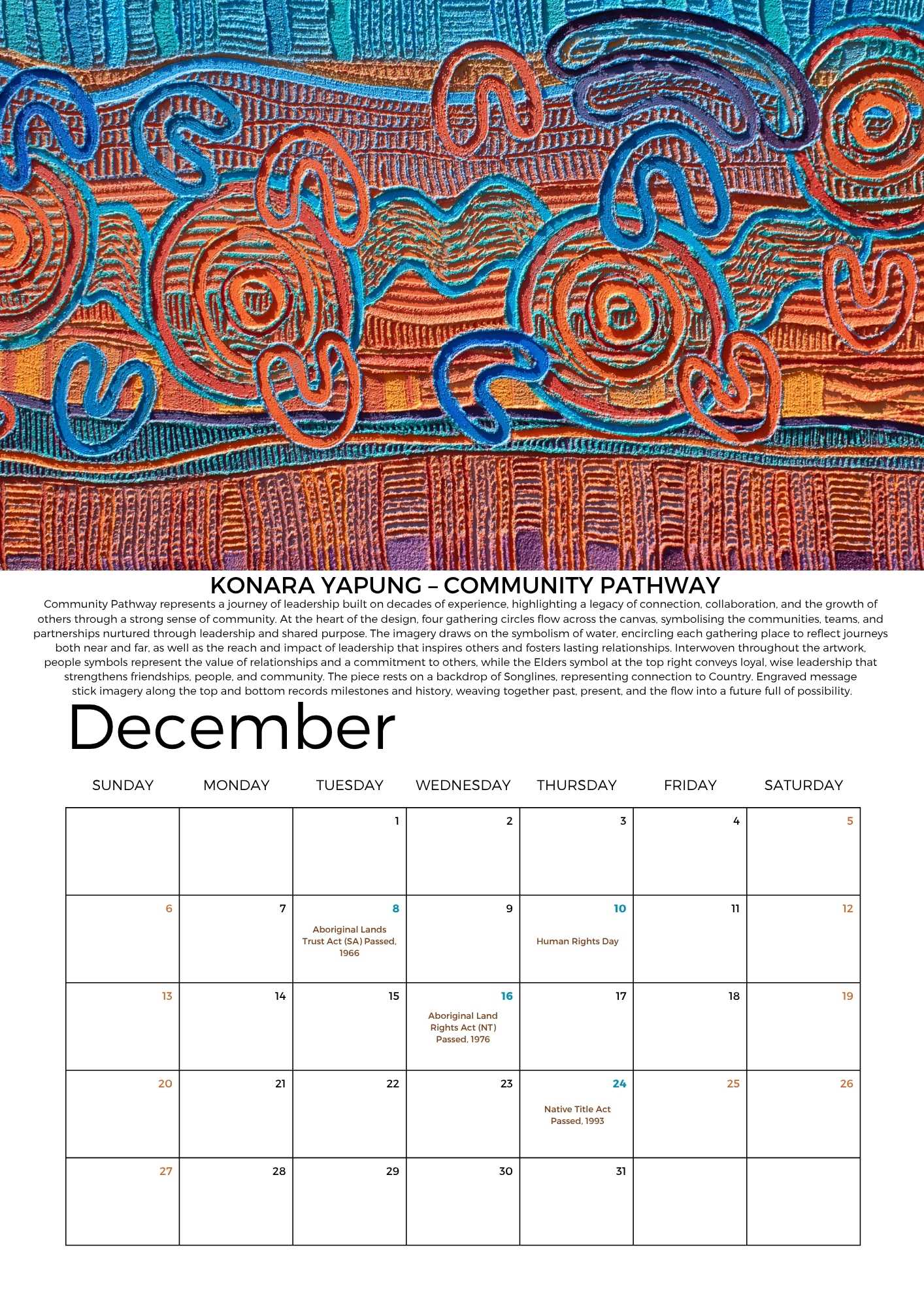
8 December – Aboriginal Lands Trust Act (SA) Passed, 1966
Established the Aboriginal Lands Trust in South Australia to manage land for Aboriginal people’s benefit. Introduced by Don Dunstan, this Act was the first of its kind in Australia.
10 December – Human Rights Day
Marks the 1948 adoption of the Universal Declaration of Human Rights by the United Nations, affirming the universal rights and dignity of all people.
16 December – Aboriginal Land Rights (NT) Act, 1976
Passed by the Whitlam Government, this Act was the first legislation enabling Aboriginal people to claim land rights where traditional ownership could be proven.
24 December – Native Title Act Passed, 1993
Following the Mabo decision, the Native Title Act established a legal framework for recognising and protecting native title in Australia. It came into effect on 1 January 1994.
There are several days and periods in the year that celebrate the culture of Aboriginal and Torres Strait Islander people in Australia. These include Indigenous Business Month every October, NAIDOC Week every July, and National Reconciliation Week from the 27th of May to the 3rd of June. The digital and printed calendars highlight these and other dates that are important to Aboriginal and Torres Strait Islander peoples, such as Indigenous Literacy Day, Close The Gap Day, National Sorry Day and National Aboriginal and Torres Strait Islander Children Day.
All Australians, including Aboriginal and Torres Strait Islander people, acknowledge Sorry Day on May 26th every year to remember the mistreatment of “The Stolen Generation,” Indigenous children who were forcibly removed from their families and communities. The day acknowledges this dark period in our shared history and provides an opportunity to take steps towards healing, in which all can take part. Increasing our knowledge and understanding of this significant day is crucial to finding healing and reconciliation in Australia.
The first Sorry Day was held on the 26th of May, 1998, a year after the “Bringing Them Home Report,” a report of past policies by governments and missionaries that caused the removal of Aboriginal children from their families and communities.
Yes! Aboriginal and Torres Strait Islander communities divide the year into seasons that consider the local climate. Unlike the Western four-season version, some nations have 5 or 6 seasons based on the local climate. These considered astronomy, seasons, and ecology, how these tied in with the seasons, and how these cycles repeated annually. The Indigenous seasonal calendars can help you increase your knowledge of Aboriginal and Torres Strait Islander peoples and culture.
Aboriginal and Torres Strait Islander people define their seasons by observing and identifying seasonal phenomena, such as those relating to astronomy, ecology, botany, meteorology, and zoology. They look at the relationship between the earth and the sky to predict weather patterns, winds, and changes in the seasons and to determine the availability of particular plant and animal resources in Australia based on this.
The First Nations observed the positions of constellations and the appearance of indicator stars with corresponding terrestrial events, such as the flowering and fruiting times of plants, breeding periods of animals, insect life cycles, and bird and fish migration. These connections between the weather and environment informed the calendars, which describe the climate, animal and fruit seasons, and other relationships that have helped Aboriginal and Torres Strait Islander people sustain the availability of food and medicines naturally. Knowledge of the seasonal patterns helped Indigenous people survive.
The seasonal calendars of Indigenous people vary based on location, ecology, and culture–but they all demonstrate a great understanding of the interdependence and interconnectedness of the living world.
Aboriginal people were the first mathematicians in Australia, and this could be seen in the way that they told time. They used sophisticated methods based on the earth and the natural environment, such as sunrises and sunsets, lunar cycles and tides, the position of the stars (and for some, their brightness) and constellations, weather and seasonal patterns, and the blossoming of fruits and flowers to define daily (or short) time, medium time, and long time.
While time in Western cultures is linear, it is circular in Aboriginal and Torres Strait Islander cultures where the past, present, and future are as one as understood by the terms Dreamtime and/or Dreaming. As with other world cultures, it features markers known as daybreak, sunrise, morning, afternoon, late afternoon, sunset, evening, and night.
Evolve Communities acknowledges the Traditional Owners and their continuing connection to land, sea and community and pay our respects to Elders, past and present. Aboriginal and Torres Strait Islander peoples should be aware that this website may contain images or names of people who have since passed away.
Show Up As An Ally All Year
The Evolve Yarning Circle Membership includes:
- Links to join our bi-monthly topical Yarning Circle Webinars – includes live Q&A with Aunty Munya and Carla
- Access to our Members Only Site – Webinar playbacks available to watch (and re-watch) on-demand PLUS bonus content, resources and special member-only offers.