Practical Reconciliation Resources

Interactive Online Resources to accompany our book: Practical Reconciliation: Strengthening Relationships for All Australians in 7 Easy Steps

Each chapter of our reconciliation book builds upon the previous one, so we recommend reading them in consecutive order for optimal learning. At the end of each chapter you are provided a link to one of the following resources to enhance your learning journey and reconciliation action plan (RAP).
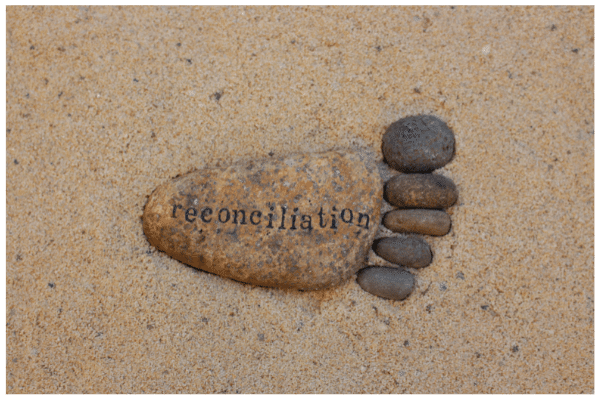
Reconciliation Resources - Reconciliation

Chapter One: Reconciliation

Download your copy of the R3 Culture® guide.

Access your digital guide clarifying the importance of Indigenous reconciliation with tools to help you understand how we can track our progress towards active, equitable reconciliation through education, knowledge, and cohesive allyship across the country.

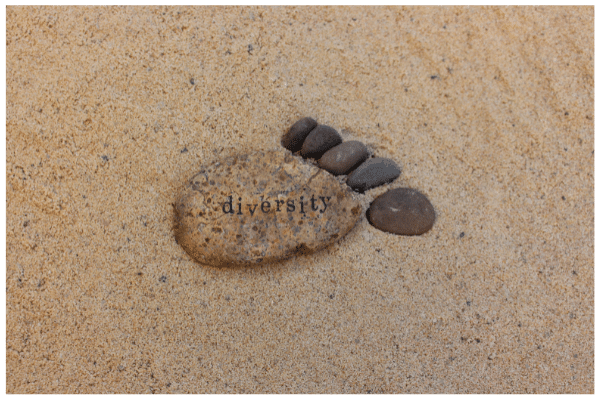
Reconciliation Resources - Diversity

Chapter Two: Diversity

How much do you know about Aboriginal and Torres Straight Islander peoples?

Building rapport begins with acceptance and respect for Indigenous people. These resources share insights into the voices, cultures, beliefs, customs, and practises that shape our country, which is ideal for usage in school or alongside resources like the Narragunnawali program.

Reconciliation Resources - History

Chapter Three: History

View key events in our shared history, from the perspective of an Aboriginal or Torres Strait Islander person.

Grasping how key events have impacted Indigenous people also highlights how they have shaped our world. Leaning into the truth of Australia’s history and using truth telling in schools, as parents, and in society helps us work toward reconciliation and a fairer future for all.

Reconciliation Resources - Communication

Chapter Four: Communication

Download your free guide to common Aboriginal English words and their meanings.

Tapping into education about the diversity of Aboriginal dialects and languages gives you the power to engage, converse, and understand the contrasts and similarities between world views. You can build these into school topic sharing, organisational reconciliation plans, or national RAP initiatives.

Reconciliation Resources - Kinship

Chapter Five: Kinship

Watch a video of Aunty Munya explaining the Kukatja Skin System.

Follow along to learn how kinship forms a social fabric that holds families and communities together. Learn what ‘kinship’ means, how an understanding contributes to reconciliation efforts, and how it extends beyond our conventional view of what kinship might infer with these resources.

Reconciliation Resources - Privilege

Chapter Six A: Reflection

Download our snapshot of the Closing The Gap initiative and discussion paper on the State of Reconciliation in Australia.

These resources explore ongoing work towards closing gaps in opportunity, life chances, self governance, and access to key services like school education. We also reflect on national progress made thus far by Reconciliation Australia and other partners, and we discuss where focused learning and reconciliation effort is needed.

Reconciliation Resources - Privilege

Chapter Six B: Privilege

Take our online privilege walk.

Many aspects of our privilege are hidden from view. By walking an online privilege pathway, we show where disparities exist and where doors we assume are always open are closed to so many Aboriginal and Torres Strait Islander people.

Reconciliation Resources - Allies

Chapter Seven: Allies

What action will you take as an ally? Let us know on our ‘Allies’ Ideas Wall’.

Becoming an ally is centered around action, amplifying the voices of marginalised communities and Indigenous people as a platform for healing. Share your reconciliation ideas and be inspired by action that embodies the power of allyship–perhaps kick-starting your Reconciliation Week efforts.

Reconciliation Resources - Songlines

Chapter Eight: Songlines

Download our complimentary Songlines Pathways® Engagement Checklist.

Aboriginal history and Songlines are as old as the land and are integral to creation, spirituality, and connection to the country. Our Songlines reconciliation resources will expand your knowledge of Songlines pathways, also known as ‘Dreaming tracks.’